Accessibility

The map of the areas that deliver the Wakefield Together Partnership, a key aspect of the approach to delivering place-based preventative services.

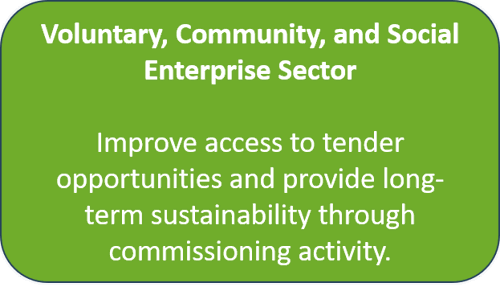
A wide range of preventative and support services is currently delivered through commissioned Voluntary, Community, and Social Enterprise (VCSE) organisations. These services include support for carers, people with sensory impairment, people living with dementia, and the installation of equipment to promote independence.


Commissioning arrangements across the VCSE sector are delivered through a mixture of contracts and grants. There is an active review underway to ensure that commissioning practice is more consistent, corporately aligned, and supports greater stability and sustainability within the VCSE organisations the council works with.


VCSE-commissioned prevention services play a critical role in supporting people at an earlier stage, before they require a Care Act assessment or long-term care package. These services contribute directly to the council’s statutory duties under the Care Act 2014 to prevent, reduce and delay the need for formal care and support. There is, however, a need to better understand the current reach, utilisation and outcomes of these services, and how their impact can be maximised across the system.


To support this, further work is required to develop a clearer picture of the existing scope, scale and delivery models across the VCSE sector. This will enable a stronger asset-based commissioning approach, recognising and building on community strengths, and improving coordination and collaboration across providers. There is an opportunity to use this work to drive more consistent system-wide practice and partnership working, ensuring VCSE capacity is used effectively to respond to current and future demand.
A new VCSE Strategy is currently in development and will provide a clearer framework and set of priorities for the system. This will support the shaping of the VCSE sector to meet demand, strengthen prevention and early intervention, and ensure the sector is well positioned to contribute to wider health and care objectives.
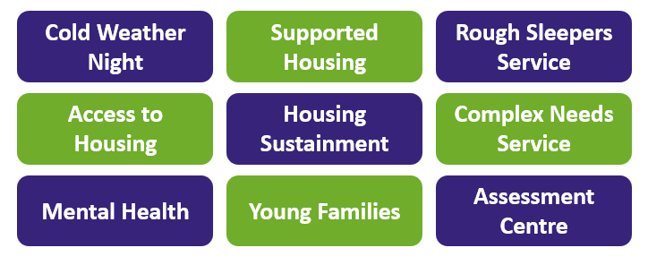
 

Services supporting people with mental health, housing, and crisis support are experiencing sustained high demand and increasing complexity. People requiring access to these services often have multiple, overlapping needs, including mental health, housing crisis, and social vulnerability. These needs, when presented together, are placing significant pressure on provision and limiting the ability of the system to support timely recovery and progression.

A key challenge is the prolonged length of stay in emergency and temporary accommodation. Slow and constrained tenancy pathways mean that people who are ready to move on are frequently unable to access suitable housing, leading to extended periods in high-cost, short-term provision. This creates bottlenecks across the system, reduces capacity for new presentations, and increases the likelihood of repeat crisis episodes.

Feedback from people who actively engage with services is generally positive, suggesting that the support offered is effective for those who access and sustain engagement. However, there is a recognised engagement bias, as the views of people who disengage, cycle repeatedly through crisis, or face the greatest barriers to stability are less well captured. This limits the completeness of insight into service effectiveness and lived experience.

Overall, the market is considered sufficiently stable to warrant a light-touch review in the short term, focused on understanding demand, performance, and immediate pressures. A more detailed and targeted review is planned for complex needs provision, recognising that current arrangements may not be well aligned to the level of complexity now being seen.

Commissioning will strengthen integration with mental health commissioning and the wider housing strategy to address structural barriers to move-on. A sharper focus on developing and improving move-on pathways is required to reduce prolonged stays in emergency accommodation, improve flow, and prevent repeat crisis, supporting better outcomes for people and greater system sustainability.


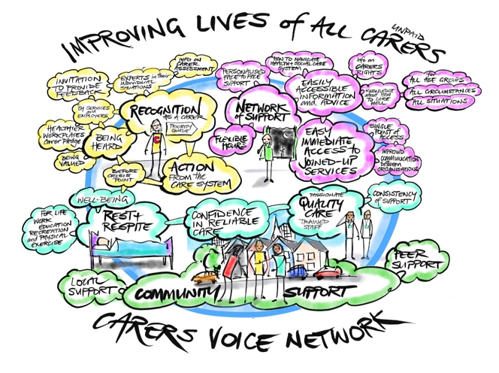
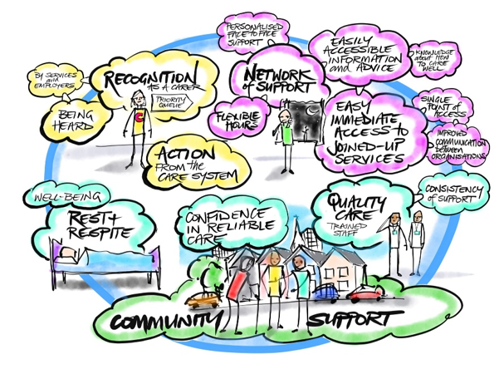
Wakefield has over 13,000 unpaid carers registered with the local carer support provision, with an estimated total of 36,000 unpaid carers across the district. Recent workshop feedback highlights that carers benefit from strong local support networks, valued services such as Carers Wakefield and specialist programmes, and initiatives that recognise carers as experts and give them a voice.  However, these positives are overshadowed by significant systemic challenges. Carers they face complex and fragmented systems, excessive administration, and poor coordination between services, often needing to repeatedly explain their situations.  Access to healthcare can be difficult, and there is limited awareness of available support, carer rights, and entitlements.  Gaps in respite provision, inconsistent support staff, and limited out-of-hours services further contribute to stress, fatigue, and feelings of being undervalued and unheard. In addition to this there are plans toe review and address crisis intervention planning, to ensure that support is in place prior to crisis occurring. 

To address these issues, the feedback emphasises the need for a more joined-up and accessible system centred around carers’ needs, programmes such as the Improvement Group, made of system partners, look to address issues raised. Key improvements include establishing a single point of access for information and services, enhancing communication and coordination across organisations, and simplifying administrative processes and financial support systems.  Expanding high-quality respite care, improving continuity and training of staff, and offering flexible, timely emotional and practical support are also critical.  Alongside this, increasing recognition of carers, improving awareness of rights and available services, and ensuring both digital and offline access will help create a more inclusive and supportive environment that prioritises carers’ wellbeing and prevents crisis situations.

The Wakefield Carers Strategy is being developed, this aims to promote the options of what is available and raise the awareness of how the system across Wakefield will address the concerns raised by carers and look to improve the offer to carers in need of support.


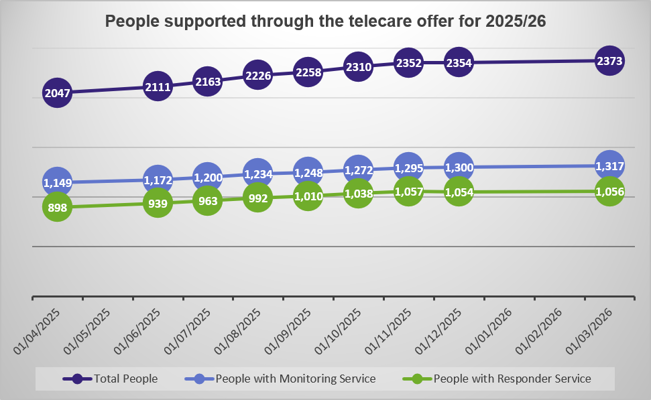
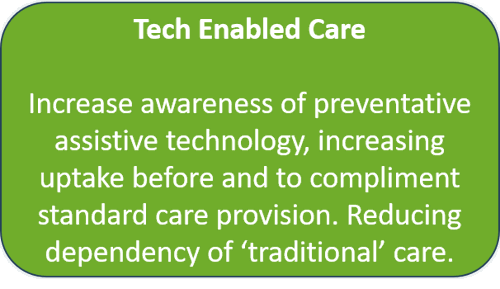
The Council is undertaking a major transformation of its Technology Enabled Care (TEC) and telecare services through a change of provider, with the aim of improving the quality, connectivity, and delivery of assistive technology, telecare, and response services. This programme supports a shift towards prevention, independence, and digitally enabled care.

Recent commissioning activity has created opportunities for innovation and market engagement. Internal system improvements, including enhanced integration within the Council systems, will improve access to and visibility of available technology, supporting more effective commissioning and practice.

The district has already completed the transition from analogue to digital telecare, with most people now being supported through an improve network. Internet of Things (IoT) connectivity development is expected to further strengthen the TEC offer and improve system responsiveness.
Capacity and capability are being strengthened a large-scale TEC awareness programme has reached over 800 frontline staff across the Council, VCSE, and health partners, supported by community engagement events. Engagement with GP practices has been limited, but there is a clear ambition to develop this further to improve referral pathways, delivering a system wide approach to the TEC offer. 
A core element of the programme is a culture shift towards a “technology-first” approach, moving away from reactive telecare and building our preventative solutions such as sensors, alarms and alerts, lifestyle monitoring, and recovery hub equipment, which are being developed at the in-house residential homes. Referral processes are being strengthened to ensure practitioners understand what technology is already in place, what digital tools and apps are freely available, and how these could connect to a wider network of assistive technology for a wholistic offer.


Last updated: 21/08/2026